Graduation can bring a lot of excitement, but it can also come with a new question: What happens now with your student loans?
Knowing when payments begin, how much you may owe each month, and how interest affects your balance can make repayment feel far less overwhelming. It can also help you avoid missed deadlines, compare your options, and build a plan that works with your budget.
Student loan repayment is the process of paying back money borrowed for education through scheduled payments. The timing, monthly amount, total interest cost, and available options depend on the type of loan, the lender, and the repayment terms.
Federal and private student loans can follow different repayment timelines and offer different options and protections. As part of its commitment to financial education, First Financial Federal Credit Union is here to help students, graduates, and families better understand the repayment process and make informed decisions along the way.
What is Student Loan Repayment?
Student loan repayment begins when you are required to start making payments toward your education debt. Payments generally include principal and interest.
Here are a few common terms you may see during repayment:
Principal: The amount of money originally borrowed.
Interest: The cost charged for borrowing money.
Annual Percentage Rate, or APR: A percentage that reflects the annual cost of borrowing.
Monthly payment: The amount due to your lender or loan servicer each month.
Loan term: The amount of time provided to pay the loan.
Loan servicer: The company responsible for managing your payments, statements, and questions.
Grace period: A period after leaving school or dropping below half-time enrollment before payments are required on certain loans.
Repayment plan: The structure that determines your monthly payment and repayment timeline.
Refinancing: Replacing one or more existing student loans with a new private loan that has new terms.
Understanding these terms can make it easier to review your loan documents, compare repayment options, and communicate with your lender or servicer.
When Does Student Loan Repayment Start?
Your first payment date depends on the type of student loan you have and the terms of your agreement.
Direct Subsidized and Direct Unsubsidized federal student loans generally provide a six-month grace period after you graduate, leave school, or drop below half-time enrollment. Other types of federal loans may follow different rules, so confirm your repayment date with your loan servicer.
Private student loan repayment timelines vary by lender and loan agreement. Some private loans may allow borrowers to postpone full payments while enrolled in school, while others may require interest-only or full payments to begin sooner.
Before repayment begins, review your loan documents or contact your lender or servicer to confirm:
When your first payment is due
How much you will owe each month
Whether interestaccrued while you were in school
Whetherautomatic payments are available
How long you have to repay the loan
Do not assume that all your student loans have the same first payment date, especially if you borrowed from more than one source.
How Are Student Loan Payments Calculated?
Your monthly student loan payment may be affected by several factors, including:
The amount you borrowed
Your interest rate
The length of your repayment term
The type of loan
Your repayment plan
Whether interest accrued before repayment began
Whether the interest rate is fixed or variable
In general, a larger loan balance, higher interest rate, or shorter repayment term can increase your monthly payment. A longer repayment term may lower the amount due each month, but it can also increase the total interest paid over time.
For example, extending repayment may provide more room in your monthly budget. However, carrying the balance for a longer period may increase the total cost of the loan.
Federal student loan borrowers can use the Federal Student Aid Loan Simulator to compare estimated monthly payments, total repayment amounts, interest costs, and payoff dates under available federal repayment plans. Private student loan borrowers should contact their lender or servicer for information specific to their loans.
Federal vs. Private Student Loan Repayment
Knowing whether your student loans are federal or private can help you understand what repayment options may be available.
Federal Student Loans
Federal student loans are funded by the federal government. Depending on the loan and the borrower’s eligibility, they may provide access to different repayment plans and certain federal benefits or protections.
Federal student loans generally have fixed interest rates, although the rate may differ depending on the loan type and when it was issued.
Private Student Loans
Private student loans are offered by banks, credit unions, state programs, and other private lenders. Interest rates may be fixed or variable, and repayment options depend on the lender and loan agreement.
Private student loans generally do not provide the same range of repayment plans and federal borrower protections available with federal loans.
For students and families who still have eligible undergraduate education expenses after considering scholarships, grants, savings, and federal aid, a private student loan may help cover the remaining funding gap.
First Financial Federal Credit Union offers private student loans through its Student Choice lending solution. The program offers private student loans for undergraduate education financing, with fixed- and variable-rate options available to qualified borrowers.
What Happens During Student Loan Repayment?
Although every loan is different, repayment generally follows a process similar to this:
You receive payment information. Your lender or servicer provides details about your balance, monthly payment, interest rate, and first due date.
You review your loan terms. Confirm whether the loan is federal or private and make sure your contact information is current.
Monthly payments begin. You make payments based on your repayment plan or loan agreement.
Your payments are applied to the loan. Each payment is applied according to the terms of the loan, typically covering accrued interest before reducing the principal balance.
You continue tracking your account. Review your statements regularly to confirm that payments are being received and applied correctly.
You contact your lender when you need help. Reaching out before missing a payment may give you more time to review any available options.’
Setting up automatic payments may also make it easier to stay on schedule. Before enrolling, confirm the withdrawal date and make sure enough money will be available in your account.
What If You Cannot Afford Your Student Loan Payment?
Contact your loan servicer or lender as early as possible if you are concerned that you cannot afford your payment. Waiting until after a payment is missed may create additional financial stress and limit the options available to you.
Federal student loan borrowers may be able to review alternative repayment plans or other available options through Federal Student Aid. Private student loan options vary by lender and loan agreement.
Consider taking these steps:
Confirm whether your loan is federal or private.
Review your monthly budget.
Contact your lender or servicer.
Ask what repayment or hardship options may be available.
Keep your contact information current.
Consider whether refinancing may fit your situation.
Avoid ignoring statements or missed-payment notices.
You do not need to wait until you have missed a payment to ask questions.
Can You Pay Student Loans Off Early?
Paying more than the required minimum may help reduce your loan balance faster and lower the total interest paid over time, depending on the terms of your loan.
Before making an extra payment, review your loan agreement or contact your servicer to confirm how the additional amount will be applied.
It may also help to:
Make sure your required monthly payment has been covered.
Ask whether the extra amount will be applied to principal.
Review your other financial priorities.
Maintain enough emergency savings for unexpected expenses.
Check your next statement to confirm the payment was processed correctly.
Paying off student loans quickly can be a helpful goal, but it should fit within your overall budget and financial plan.
What Is Student Loan Refinancing?
Student loan refinancing means replacing one or more existing student loans with a new private loan. The new loan will have its own interest rate, monthly payment, and repayment term.
Some borrowers refinance to:
Combine multiple student loan payments
Seek a different interest rate
Change the length of the repayment term
Adjust the monthly payment
Simplify how their loans are managed
Refinancing is not right for everyone. Eligibility and available terms may depend on factors such as credit history, income, current loan balances, and whether a co-applicant is involved.
First Financial offers student loan refinancing through Student Choice. Eligible borrowers may refinance all or some of their qualifying student loans through a new private loan. Fixed- and variable-rate options are available, and borrowers can select from different repayment terms based on eligibility and credit approval.
Borrowers with federal student loans should carefully consider what they may give up before refinancing. Replacing federal student loans with a private loan means losing access to current and future federal repayment options, forgiveness programs, and other federal benefits or protections. Once refinanced, the loans cannot be returned to the federal loan program.
Common Student Loan Mistakes
A little preparation can help you avoid common repayment problems.
Not knowing whether your loan is federal or private
Federal and private student loans may offer very different repayment options and protections.
Missing your first payment date
Confirm when repayment begins before your grace period or in-school status ends.
Ignoring interest while you are in school
Depending on the type of loan, interest may accrue while you are enrolled and during your grace period. For example, interest begins accumulating on Direct Unsubsidized Loans when the funds are disbursed.
Focusing only on the monthly payment
A lower monthly payment may feel more manageable, but a longer repayment term could increase the total interest paid.
Waiting to ask for assistance
Contact your lender or servicer before missing a payment whenever possible.
Refinancing federal loans without understanding the consequences
Moving federal student debt into a private loan means giving up federal benefits and protections.
Forgetting to update your contact information
An outdated email address, phone number, or mailing address could cause you to miss important account notices.
Assuming all student loans have the same terms
Review each loan separately, including its balance, interest rate, first payment date, and repayment requirements.
Build a Repayment Plan With Confidence
Student loan repayment can feel more manageable when you understand what you owe, when payments begin, and how each payment affects your balance.
Start by identifying whether your loans are federal or private. Then review your repayment terms, determine how the payment will fit into your budget, and contact your lender or servicer whenever you have questions.
Planning for college costs or reviewing your existing student loans? First Financial Federal Credit Union offers private student loans and student loan refinancing through Student Choice, along with personal guidance for financial aid, repayment, and refinancing questions.
Student loan repayment is the process of paying back money borrowed for education through scheduled payments. Payments generally cover interest and reduce the principal balance according to the terms of the loan.
When do student loan payments start?
The timing depends on the loan type. Direct Subsidized and Direct Unsubsidized federal loans generally have a six-month grace period after graduation, leaving school, or dropping below half-time enrollment. Private student loan repayment timelines depend on the lender and loan agreement.
What affects my student loan payment amount?
Your monthly payment may be affected by the amount borrowed, interest rate, repayment term, repayment plan, loan type, and any interest that accrued before repayment began.
Are federal and private student loan repayment options the same?
No. Federal student loans may provide access to repayment plans and federal protections that private student loans do not offer. Private loan repayment options are determined by the lender and loan agreement.
What should I do if I cannot afford my student loan payment?
Contact your loan servicer or lender as soon as possible. Federal borrowers can review available options through Federal Student Aid, while private borrowers should ask their lender what assistance may be available.
Can I pay more than the minimum payment?
Making additional payments may help reduce your balance and total interest cost, depending on your loan terms. Confirm how your lender or servicer will apply the extra amount.
Is student loan refinancing a good idea?
It depends on your financial circumstances and goals. Refinancing may help some borrowers change their interest rate, payment, or repayment term. However, refinancing federal loans into a private loan means losing federal repayment options, forgiveness programs, and other protections.
A bigger purchase does not always come at the perfect time. Maybe your car needs a repair, your child needs new sports gear, or you are trying to replace something at home without throwing off your monthly budget.
Buy Now Pay Later, often called BNPL, is one way to add more flexibility to your payment options.
BNPL can give eligible shoppers a way to split certain purchases into smaller payments over time. Eligible First Financial members can access available BNPL offers by logging in to Online or Mobile Banking, navigating to Transfer & Pay, and selecting Buy Now, Pay Later.
Like any financial tool, BNPL works best when you understand how it works, what the benefits are, and what to consider before starting a payment plan.
What Is Buy Now Pay Later?
Buy Now Pay Later is a payment option that allows you to pay for an eligible purchase over time instead of covering the full cost upfront. Rather than making one larger payment, you agree to smaller installment payments on a set schedule.
For eligible First Financial members, available BNPL offers can be reviewed directly through Online or Mobile Banking before accepting. That means you can see important details upfront, including payment amounts, due dates, and any potential fees.
For some people, BNPL can be a helpful way to manage larger or unexpected purchases while keeping their monthly budget in mind. The key is making sure the offer terms fit your budget before moving forward.
How Does Buy Now Pay Later Work With a Debit Card?
Buy Now Pay Later with a debit card gives eligible members a way to pay over time for qualifying purchases while staying connected to their checking account. For First Financial members, available BNPL offers may include options to plan ahead for an upcoming purchase or split payments for an eligible debit card purchase that has already been made.
With Plan Your Purchase, eligible members may be able to access funds upfront for a planned purchase and repay the amount in installments over time.
With Split Your Payments, members who have already made eligible debit card purchases may be able to pay for those purchases in installments over time.
Members can view available offers directly in Online or Mobile Banking.
Before accepting an offer, take a moment to review the repayment terms and payment schedule so you feel confident the plan fits your budget.
Why Members Use Buy Now Pay Later
Buy Now Pay Later can be helpful when you need a little more flexibility. Some common benefits include:
More breathing room in your budget. Instead of paying for an eligible purchase all at once, you may be able to spread the cost over time.
A debit card-friendly payment option. If you prefer using your debit card instead of a credit card, BNPL may offer another way to manage larger purchases.
Payment details you can review first. You can review the repayment schedule and terms upfront, so you know what to expect before accepting an offer.
Easy access through digital banking. Eligible First Financial members can view available offers in Online or Mobile Banking.
What to Consider Before Using BNPL
BNPL can be convenient, but it is still a financial commitment. Before starting a payment plan, it helps to pause and ask:
Can I comfortably make each payment? Smaller payments can still add up, especially if you have more than one payment plan active.
Do I understand when payments are due? Knowing your repayment schedule can help you avoid surprises and keep your checking account on track.
Is this purchase already part of my budget? BNPL can make a purchase feel more manageable, but it should still fit into your overall financial plan.
What happens if I miss a payment? Terms can vary, so always review the details before accepting an offer.
BNPL vs. Credit Cards: Which Option Makes Sense?
Buy Now Pay Later and credit cards allow you to pay over time, but they work differently.
Buy Now Pay Later is typically tied to a specific purchase or eligible transaction. Instead of an ongoing credit line, you agree to repay that purchase through scheduled installment payments.
A credit card gives you a revolving line of credit. You can make purchases up to your credit limit and pay down the balance over time. Depending on the card and your payment habits, interest may apply if the full balance is not paid by the due date.
Neither option is automatically better than the other. The right choice depends on your budget, the purchase, the repayment terms, and how you prefer to manage your money.
Does Buy Now Pay Later Require a Credit Check?
First Financial’s Buy Now, Pay Later offers do not require a credit check. However, BNPL is still a financial commitment, so it is important to review the repayment terms, understand when payments are due, and make sure each payment fits your budget before accepting an offer.
How to Use BNPL Responsibly
Buy Now Pay Later can be a helpful tool when it is used with a clear plan. The biggest risk is taking on more payments than your budget can comfortably handle.
Before using BNPL, keep these tips in mind:
Start with your budget. Make sure the installment payment fits comfortably with your other monthly expenses.
Avoid stacking too many plans. Multiple BNPL payments can become difficult to track and may put extra pressure on your checking account.
Use it for planned purchases when possible. BNPL may be most helpful when you already know the purchase fits your financial goals.
Review the terms before accepting. Understand payment amounts, due dates, and any potential fees.
Keep an eye on your account balance. Since payments may be connected to your checking account, make sure funds are available when payments are due.
For more budgeting and money management resources, First Financial members can also explore the Banzai Wellness Center for financial education tools, articles, and calculators.
How to View First Financial BNPL Offers
First Financial’s Buy Now, Pay Later offers are tailored specifically to each member. Members with checking accounts may already be pre-qualified for available offers. To view your options, log in to Online or Mobile Banking, navigate to Transfer & Pay, and select Buy Now, Pay Later.
Plan Your Purchase With Plan Your Purchase, eligible members may be able to access funds upfront for a planned purchase and repay the loan in installments over time.
Split Your Payments With Split Your Payments, eligible members may be able to split a qualifying debit card purchase into installments after the purchase has already been made.
If an offer is available, you can review the repayment terms, payment schedule, and other details before deciding whether it works for your budget.
Frequently Asked Questions About Buy Now Pay Later
What is Buy Now Pay Later?
Buy Now Pay Later is a payment option that lets you split a qualifying purchase into smaller installment payments instead of paying the full amount upfront.
How does Buy Now Pay Later work with a debit card?
With debit card payment plans, qualifying purchases may be split into scheduled installment payments connected to your checking account. For First Financial members, available offers may include options to plan ahead for an upcoming purchase or split an eligible debit card purchase into scheduled installment payments after the transaction has been made.
Is Buy Now Pay Later the same as a credit card?
No. A credit card gives you access to a revolving line of credit, while BNPL is typically connected to a specific purchase or transaction. Both can help you pay over time, but the repayment structure is different.
Does Buy Now Pay Later require a credit check?
First Financial’s Buy Now, Pay Later offers do not require a credit check. Available offers are tailored to each member and may be based on factors such as account history and other eligibility requirements.
What happens if you miss a BNPL payment?
Missed payment consequences can vary based on the terms of your plan. Before accepting an offer, review the payment schedule, due dates, and any potential fees so you know what to expect.
Is Buy Now Pay Later safe?
BNPL can be a safe and helpful option when you use it through a trusted financial institution, understand the repayment terms, and make sure each payment fits comfortably within your budget.
Is Buy Now Pay Later a good idea?
BNPL can be a good option when it helps you manage a planned or necessary purchase without stretching your budget. It may not be the right fit if you are already managing several payment plans or are unsure whether you can make each payment on time.
Ready to Review Your Options?
Buy Now Pay Later can be a helpful way to manage qualifying purchases when it fits your budget and repayment plan. The key is to review your terms, understand your payment schedule, and use BNPL as part of your larger financial plan.
First Financial members can log in to Online or Mobile Banking, navigate to Transfer & Pay, and select Buy Now, Pay Later to view available offers tailored to them.
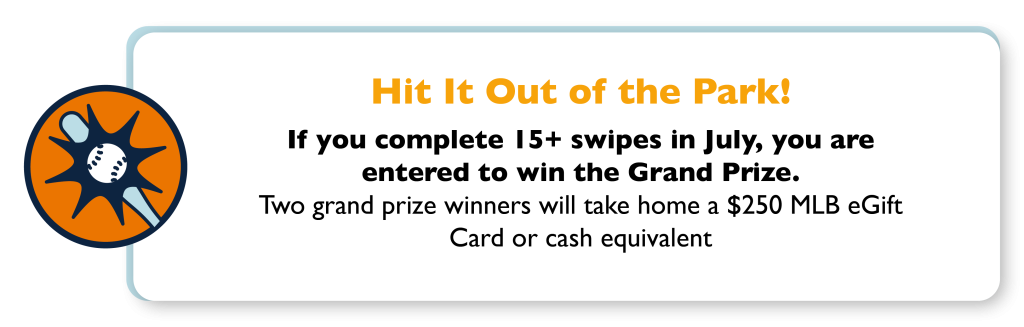
Plus, when you step up your game and use your card 15 times, you’ll be entered for a chance at the grand prize of $250 to celebrate the USA’s birthday!
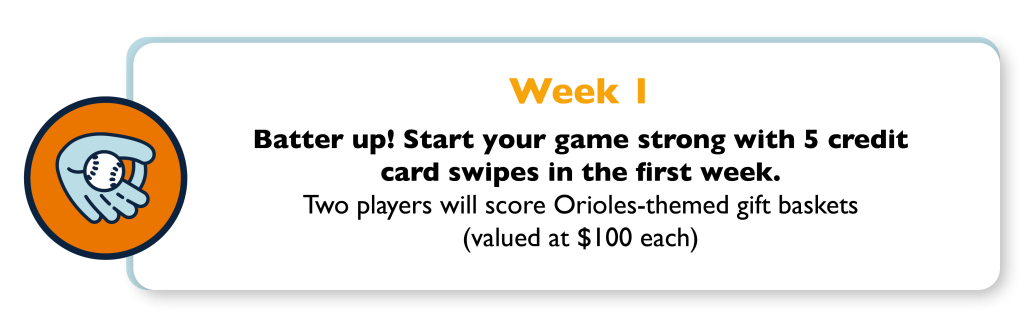
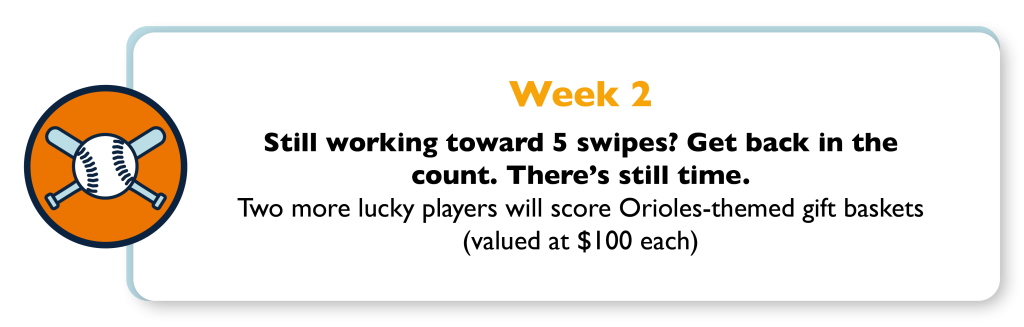
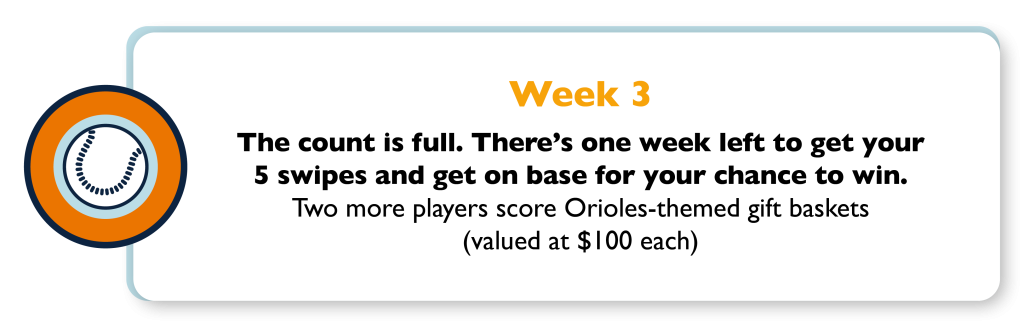
As a proud sponsor of the Baltimore Orioles, we’re bringing you FOUR weeks of chances to win – so start swiping and get in the game!
Black Eyed Susan Gift Baskets
Win baseball-themed gift baskets with Baltimore Orioles Socks, Black & Orange Nonpareils, Soft Plush Orioles Baseballs, Orioles Teddy Bears, Peanuts, UTZ Crab Chips, Popcorn and more!
Eligible Cards are First Financial issued Visa credit cards. Eligible Entries that were not selected as a weekly winner will continue to be included for a chance to win in the subsequent weekly drawings. Weekly winners are eligible to win the Grand Prize if all criteria are met.
First Financial will randomly select the Weekly Prize Winners on or around July 10, July 20, and July 30, 2026. The Grand Prize Winners will be randomly selected on or around August 3, 2026.
Weekly Prizes will be awarded as Winners accept. Gift baskets will be shipped to the Member’s nearest First Financial branch or directly to the address on file if preferred.
The Grand Prize will be awarded as a $250 MLB eGift Card or cash equivalent deposit into the Member’s S01 Savings Account.
Remember, First Financial will NEVER unexpectedly contact you for credit card information or other personal/sensitive information. If you have any questions, please contact Member Services directly at 410-321-6060 or send us a secure message in Online Banking.
No purchase is necessary. The Sweepstakes closes at 11:59 p.m. EDT on July 31, 2026. Open to First Financial members who are in good standing with the credit union and at least 21 years of age at the time of entry.
***THIS GIVEAWAY IS NOW CLOSED. Stay tuned for the winners announcement!***
America is celebrating its 250th anniversary, and we’re celebrating by giving away FOUR $250 DEPOSITS!
Whether your 4th of July is all about fireworks, food, friends, or full-on relaxation, we want to see how you celebrate. Join our giveaway on our official Facebook page and Instagram page for your chance to win!
Entering is easy. Just answer the fun prompt in the comments for your chance to win!
How to Enter
THIS GIVEAWAY IS NOW CLOSED.
For one week from July 1 through July 7, simply visit our official First Financial Facebook and/or Instagram Page to do the following:
LIKE the official giveaway post
COMMENT the emoji that matches your favorite way to celebrate America’s Anniversary:
🌭 = Cookout
🎆 = Fireworks
🎶 = Music & festivals
🏡 = Staying local & relaxing
Or choose your own!
Members are eligible to enter once per social media channel.
Be sure to follow us on Facebook and Instagram for the latest news, helpful financial tips and plenty of fun throughout the year!
Reminder: No purchase necessary. First Financial will NEVER contact you on social media for card information or other personal/sensitive information. If you have any questions, please contact Member Services directly at 410-321-6060. Winners will be contacted by the Official First Financial Facebook page and Instagram page only.
Sweepstakes Details
At the end of the giveaway, the winners will be randomly selected on or around July 10, 2026. The official First Financial Facebook and Instagram accounts will notify the winners via the comment section on the giveaway post and in a direct message to confirm eligibility.
Prizes will be awarded on or around the week of July 15, 2026 via deposit into the winners’ Savings 01 account.
Remember, First Financial will NEVER contact you for card information or other personal/sensitive information. If you have any questions, please contact Member Services directly at 410-321-6060.
The Sweepstakes closes at 11:59 p.m. EDT on Tuesday, July 7, 2026. Open to First Financial members who are in good standing with the credit union and at least 18 years of age at the time of entry. Read the Official Rules to learn more.
Choosing a credit card is not always as simple as picking the one with the biggest reward. While cash back can help you earn more on everyday purchases, a low APR can help you save more if you carry a balance.
So, which is better: a cashback credit card or a low APR credit card?
The answer depends on how you use your card, how often you pay off your balance, and what kind of financial flexibility you need. Whether you are planning summer travel, covering everyday expenses, or making a larger purchase, understanding the differences can help you choose the card that best fits your goals.
What Is a Cashback Credit Card?
A cashback credit card gives you a percentage back on qualifying purchases. Depending on the card, you may earn cash back on everyday spending like groceries, gas, dining, subscriptions, travel, or seasonal purchases.
Cashback cards can be a great fit if you pay your balance in full each month. That way, you can earn rewards on purchases you were already planning to make without adding interest charges.
A cashback credit card may be a good choice if you:
Pay off your balance in full each billing cycle
Use your card regularly for everyday purchases
Want simple rewards without rotating categories
Like earning value back on groceries, gas, travel, dining, or summer activities
Want rewards that are easy to understand and use
For many cardholders, cashback works best when it fits naturally into their existing budget.
What Is a Low APR Credit Card?
A low APR credit card is designed to help reduce the amount of interest you may pay if you carry a balance. APR stands for Annual Percentage Rate, and it determines the interest charged on unpaid balances.
While a low APR card may not always offer the highest rewards, it can be more valuable if you need time to pay down a balance or want to minimize interest costs over time.
A low APR credit card may be a good choice if you:
Sometimes carry a balance from month to month
Are planning a larger purchase
Want to reduce interest charges
Need more flexibility with monthly payments
Are focused on long-term savings more than short-term rewards
If you do not always pay your balance in full, the APR should be one of the first features you compare.
Cashback vs. Low APR: Which Saves More Money?
The biggest difference between cashback and low APR credit cards comes down to one question: Do you usually pay your balance in full?
If yes, cashback may help you get more value from your card. For example, you could earn rewards on everyday purchases like groceries and gas, or seasonal expenses like summer road trips, dining out, home projects, and back-to-school shopping.
If not, a low APR may save you more money. That is because interest charges can quickly outweigh the value of cashback rewards if you carry a balance.
Here is the simple comparison:
Cashback helps you earn more when you pay in full. A low APR helps you save more when you carry a balance.
Should I Choose a Cashback or Low APR Credit Card?
Before choosing a card, think about how you spend and how often you pay your balance in full.
Choose a cashback credit card if you use your card often and pay it off each month. Cashback can help you earn rewards on planned purchases, from everyday essentials to seasonal spending.
Choose a low APR credit card if you may carry a balance or want to reduce how much interest you pay over time. A lower APR can be helpful if you are paying down a balance, transferring debt, or making a larger purchase.
Choose a low APR credit card if you may carry a balance or want to reduce how much interest you pay over time. A lower APR can be helpful if you are paying down a balance, transferring debt, or making a larger purchase.
Is Cashback Worth It on a Credit Card?
Cashback can be worth it when you use your credit card responsibly and earn rewards on purchases already in your budget, like groceries, gas, subscriptions, summer travel, or everyday expenses.
The key is to avoid spending more just to earn rewards. If you carry a balance, compare the cash back you may earn with the interest you may pay. In many cases, saving on interest can matter more than earning rewards.
What Should You Compare Before Applying?
The best credit card is the one that matches how you actually spend, pay, and manage your balance.
If you carry a balance, a lower APR may be one of the most important features to consider. If you pay your balance in full, cashback rewards may offer more everyday value. Either way, it is important to look beyond the headline reward rate and compare the full picture.
Before applying, compare:
APR: What rate applies if you carry a balance?
Rewards: How much cash back can you earn on purchases?
Fees: Is there an annual fee or balance transfer fee?
Categories: Are rewards simple, or do they require tracking rotating categories?
Introductory offers: Is there a promotional rate for qualified members?
Everyday value: Will the card still benefit you after the introductory period ends?
A strong credit card should support your financial goals, not make your budget harder to manage.
Find the Credit Card That Fits You
The right credit card should work for the way you spend, manage your balance, and work toward your financial goals.
If you pay your balance in full and want to earn rewards on everyday or seasonal purchases, a cashback credit card may be a strong fit. If you tend to carry a balance or want to reduce interest costs over time, a lower APR credit card may help you save more in the long run.
First Financial Federal Credit Union offers Visa® credit card options designed to support a variety of financial goals, whether you are focused on earning rewards, managing everyday purchases, transferring a balance, or choosing a card with competitive rates. With options that include simple cashback opportunities, no annual fee, no balance transfer fee, and member-focused features, First Financial can help you find a credit card that fits the way you spend and manage your money.
Whether you are planning summer purchases, covering everyday expenses, transferring a balance, or looking for a better way to manage credit, First Financial can help you compare your options and choose the card that fits your financial goals.
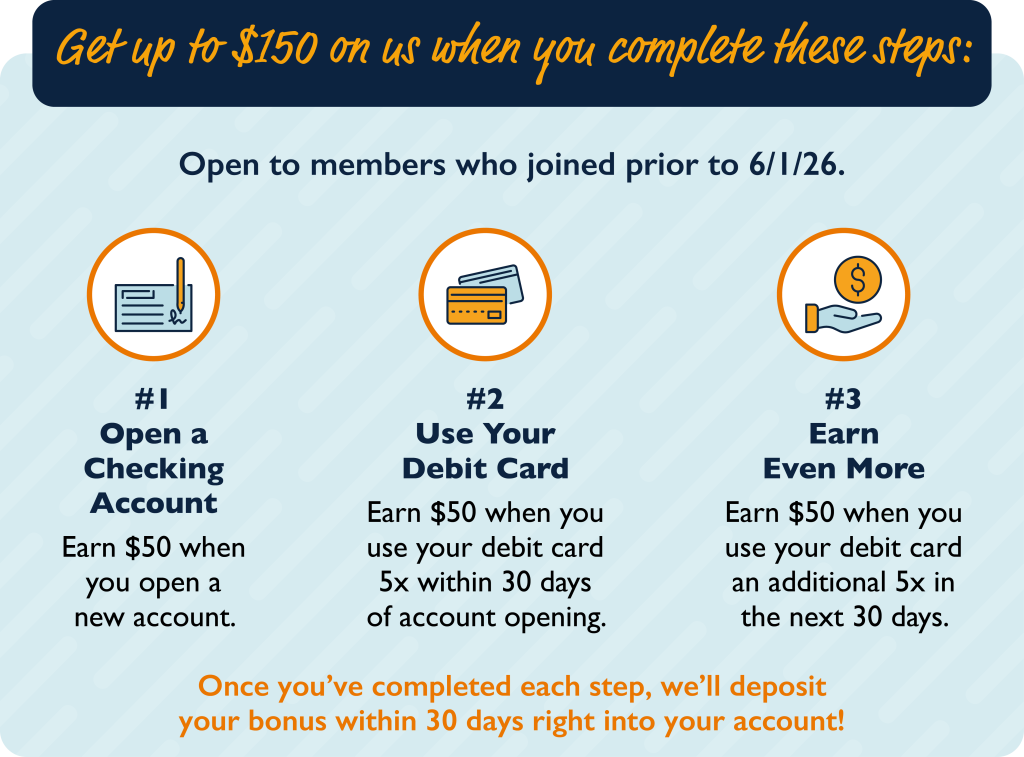
Go full financial circle this summer and earn up to $150* when you complete a few simple steps!
A First Financial checking account helps you manage your money with convenience and ease, from paying bills to tracking everyday spending.
Once you open your checking account by June 30, 2026, don’t forget to use your Visa Debit Card to stay on track for your bonus! With First Financial’s Visa Debit Card, you can conveniently access your funds wherever Visa is accepted and enjoy added flexibility through Buy Now, Pay Later offers that let you pay over time.
Ready to complete your financial picture? It's easy!
Swipe, tap and pay with your First Financial Visa Debit Card to complete your bonus!
* Eligible members must be 16 or older and have a Membership Open Date prior to 6/1/26.
A $50 reward will be given for opening a new S10 checking account. An additional $50 reward will be given to eligible members who complete 5 qualifying debit card transactions within 30 days of account opening. Another $50 will be provided to eligible members who complete 5 additional debit card transactions within the immediately following 30-day period.
Qualifying transactions are PIN-based and signature-based debit card purchases and exclude ATM withdrawals, cash advances and credit vouchers. The maximum total reward is $150 per eligible member during the promotional period.
Rewards will be deposited into the member’s S01 savings account within 30 days after each applicable requirement is satisfied. The member’s account must be open and in good standing at the time of reward fulfillment.
Eligibility is determined by First Financial. Employees and volunteers of First Financial are not eligible. This offer is available for a limited time only and may be subject to change without notice. This offer cannot be combined with any other offer. Additional terms and conditions may apply. In accordance with applicable regulations, reward(s) are subject to reporting on IRS Form 1099-INT.
Honoring our Healthcare Heroes!
Happy National Hospital Week! We want to celebrate and honor our healthcare heroes who touch lives every day. Join us on our Facebook giveaway for a chance to earn one of THREE $100 prizes!
Entering is easy – visit our official First Financial (@FFFCUofMD) Facebook page and comment one thing you always bring with you on your shift – whether it’s a much-needed coffee, granola bar, or anything else!
Three winners will be randomly selected from the comments.
How to Enter
From May 10th, 2026, to May 16th, 2026, simply visit our official First Financial @FFFCUofMD Facebook page and do the following:
LIKE the official giveaway post
COMMENT one thing you always bring with you on your shift
We’re giving away THREE $100 prizes, recognizing healthcare workers who make a difference in people’s lives every day!
Be sure to follow us on Facebook for the latest news, helpful financial tips and plenty of fun throughout the year!
Reminder: No purchase necessary. First Financial will NEVER contact you on social media for card information or other personal/sensitive information. If you have any questions, please contact Member Services directly at 410-321-6060. Winners will be contacted by the Official First Financial Facebook page only.
Sweepstakes Details
At the end of the giveaway, the winners will be randomly selected on or around May 20th, 2026. The official First Financial Facebook account will notify the winners via the comment section on the giveaway post and in a direct message to confirm eligibility.
Prizes will be awarded on or around the week of May 27, 2026 via deposit into the winners’ Savings 01 account.
Remember, First Financial will NEVER contact you for card information or other personal/sensitive information. If you have any questions, please contact Member Services directly at 410-321-6060.
The Sweepstakes closes at 11:59 p.m. EDT on Saturday, May 16th, 2026. Open to First Financial members who are in good standing with the credit union and at least 18 years of age at the time of entry. Read the Official Rules to learn more.
Honoring Our Educators!
Happy Teacher Appreciation Week! As an education-based credit union, supporting our teachers and schools is at the heart of everything we do.🍎 Join our Instagram giveaway for your chance to win one of TEN deposits!
Entering the giveaway is easy – simply comment one of the school system emojis shown below on our official First Financial @FFFCUofMD Instagram page. One winner will be selected from each participating school system, with three winners selected from Baltimore County Public Schools (BCPS).
How to Enter
From May 4th, 2026, to May 8th, 2026, simply visit our official First Financial @FFFCUofMD Instagram page and do the following:
LIKE the official giveaway post
COMMENT your school system using just an emoji 📘 Baltimore County 📗 Carroll County 📙 Cecil County 📕 Accomack County 📒 Worcester County 📔 Somerset County 📚 Other / Private School
We’re giving away TEN $100 prizes, recognizing educators across our school systems, including three winners from Baltimore County Public Schools.
Be sure to follow us on Instagram for the latest news, helpful financial tips and plenty of fun throughout the year!
Reminder: No purchase necessary. First Financial will NEVER contact you on social media for card information or other personal/sensitive information. If you have any questions, please contact Member Services directly at 410-321-6060. Winners will be contacted by the Official First Financial Instagram page only.
Sweepstakes Details
At the end of the giveaway, the winners will be randomly selected on or around May 12th, 2026. The official First Financial Instagram account will notify the winners via the comment section on the giveaway post and in a direct message to confirm eligibility.
Prizes will be awarded on or around the week of May 19, 2026 via deposit into the winners’ Savings 01 account.
Remember, First Financial will NEVER contact you for card information or other personal/sensitive information. If you have any questions, please contact Member Services directly at 410-321-6060.
The Sweepstakes closes at 11:59 p.m. EDT on Friday, May 8th, 2026. Open to First Financial members who are in good standing with the credit union and at least 18 years of age at the time of entry. Read the Official Rules to learn more.
Choosing the right checking account is an important step in managing your everyday finances. Your checking account often acts as the central hub for spending, bill payments, direct deposits, and transfers.
But not all checking accounts are the same. Some focus on simple, fee-free access, while others reward you with interest, cash-back perks, or extra financial tools.
Understanding what features matter most can help you choose the best checking account for your financial habits and goals.
What Is a Checking Account Used For?
Checking accounts are designed for daily financial activity. Unlike savings accounts, which are typically used for long-term savings goals, checking accounts make it easy to access your money whenever you need it.
Most checking accounts allow you to:
Make purchases using a debit card
Pay bills online
Set up direct deposit for your paycheck
Transfer money between accounts
Monitor transactions through online or mobile banking
Because these accounts are used so frequently, choosing the right one can make managing your finances much easier.
What Features Should You Look for in a Checking Account?
When comparing checking account options, consider which features are most important to you:
No Monthly Fees
Many people look for a free checking account with no monthly maintenance fee, allowing them to manage their money without extra costs.
Easy Digital Banking
Online and mobile banking tools allow you to check balances, transfer funds, pay bills, and deposit checks remotely.
Debit Card Access
A debit card provides convenient access to your funds for everyday purchases and ATM withdrawals.
Rewards or Interest
Some checking accounts offer rewards or interest earnings, allowing you to earn value from everyday transactions.
What Is a Rewards Checking Account?
A rewards checking account offers additional benefits based on how you use your account.
These benefits may include:
Cash back on debit card purchases
Higher interest rates on account balances
Additional perks when certain activity requirements are met
For people who frequently use their debit card, a rewards checking account can provide extra value from everyday spending.
Are High-APY Checking Accounts Worth It?
Some checking accounts offer high annual percentage yields (APY), allowing account holders to earn interest on their balance.
These accounts often require certain activities, such as:
Maintaining a minimum balance
Setting up your direct deposit
Using your debit card regularly
If you keep a consistent balance and use your account frequently, a high-APY checking account can be a helpful way to earn interest on money you already use for daily expenses.
Credit Union vs. Bank Checking Accounts
When deciding where to open a checking account, many people compare credit unions and traditional banks.
Credit unions are member-owned financial institutions, meaning they prioritize serving their members rather than generating profits for shareholders.
As a result, credit unions often provide benefits such as:
Lower fees
Competitive interest rates
Personalized and local service
Financial education resources
At First Financial Federal Credit Union, members also have access to financial education tools like the Banzai Financial Wellness Center, which provides resources on budgeting, saving, and managing everyday finances.
First Financial checking accounts are designed to provide flexibility, convenience, and value for everyday banking.
All First Financial checking accounts include:
NO monthly maintenance fees
NO minimum account balance requirements
Free Visa® debit card
Optional overdraft protection
Free Bill Pay service
Free mobile and online banking
Free eAlerts to monitor account activity
Those who use their checking account regularly can earn even more through Better Rewards Checking. When members enroll in eStatements and receive at least $1,000 in direct deposits per quarter, their Complete Checking account is automatically upgraded—unlocking the opportunity to earn interest and additional rewards.
Members can also take advantage of additional features such as Early Bird Deposit, which allows qualifying direct deposits to arrive up to two days early.
How to Open a Checking Account
Opening a checking account is usually a quick and straightforward process. Most financial institutions allow accounts to be opened online or in person.
Typically, you will need:
A valid government-issued ID
Your Social Security Number
Basic contact information
Once your account is open, you can set up direct deposit, activate your debit card, and begin using online or mobile banking tools.
Find the Checking Account That Works for You
The best checking account is the one that supports how you manage money every day—whether that means no fees, earning rewards, convenient digital tools, or flexible financial features.
At First Financial Federal Credit Union, checking accounts are designed to provide members with the tools and support they need to manage their finances with confidence.
April is Financial Literacy Month, and we’re putting YOU to the test! During April, we’re going to be posting financial literacy trivia questions on our @FFFCUofMD Instagram page to test your knowledge.
Participating is easy – just comment the correct answer on the Trivia Instagram post for a chance to WIN $25!
How To Enter
From April 10, 2026, to May 1, 2026, simply visit our official First Financial @FFFCUofMD Instagram page and do the following:
COMMENT the correct answer on the Financial Literacy Month Trivia post
Be sure to follow us on Instagram for the latest news, helpful financial tips and plenty of fun throughout the year!
Reminder: No purchase necessary. First Financial will NEVER contact you on social media for card information or other personal/sensitive information. If you have any questions, please contact Member Services directly at 410-321-6060. Winners will be contacted by the Official First Financial Instagram page only.
Sweepstakes Details
The Sweepstakes Period will be divided into three Entry Periods. Each week within the Sweepstakes Period is an Entry Period. At the end of the each Entry Period, the winners will be randomly selected on or around the next Friday. The official First Financial Instagram account will notify the winners via the comment section on the giveaway post and in a direct message to confirm eligibility.
Remember, First Financial will NEVER contact you for card information or other personal/sensitive information. If you have any questions, please contact Member Services directly at 410-321-6060.
The Sweepstakes closes at 9:00 a.m. EDT on Friday, May 1, 2026. Open to First Financial members who are in good standing with the credit union and at least 18 years of age at the time of entry. Read the Official Rules to learn more.
How to Open
Already a member?
Great. It only takes a few minutes to open through online banking.